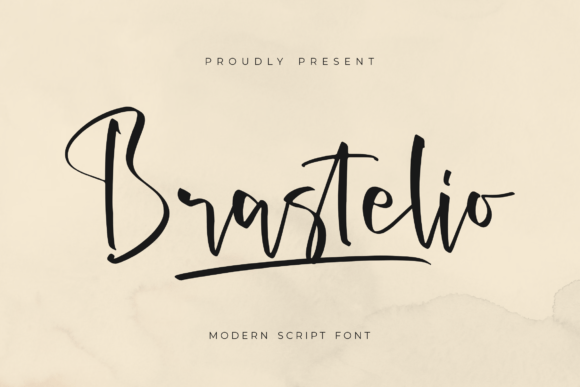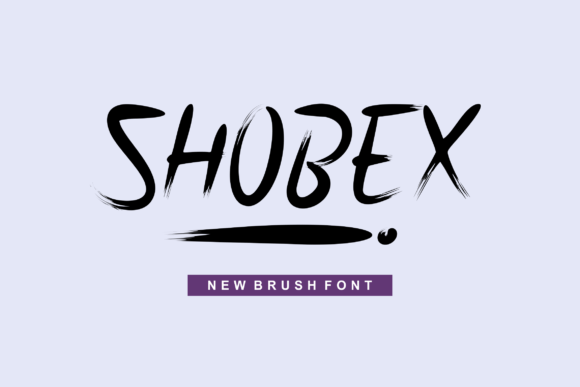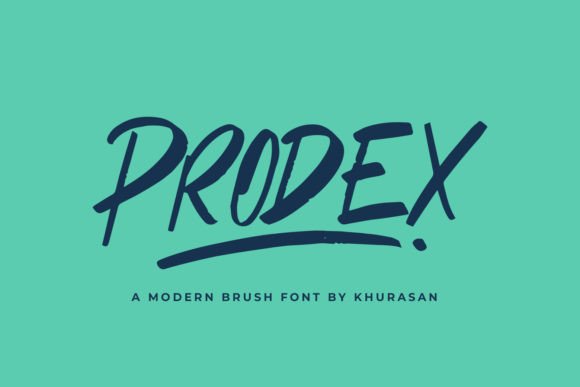
Halloween History Font for Web Design
It was a quiet afternoon when I first dropped Halloween History into my browser’s font preview. I had just started redesigning a boutique online store, and the hero section needed something with character—something that would catch attention without screaming. Halloween History, with its cool and modern handwritten feel, stood out immediately. It wasn’t just a font; it felt like a voice, whispering through the screen with charm and personality.
A Handwritten Touch in Digital Spaces
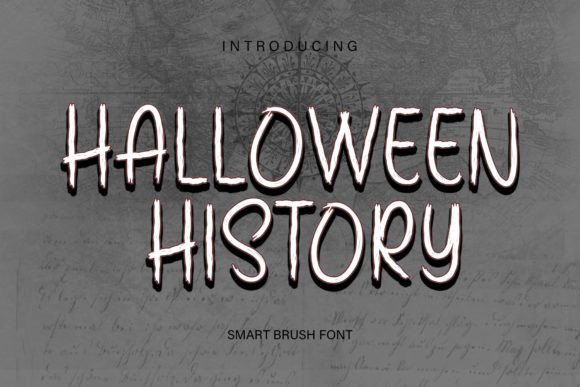
Halloween History is a script font with a modern twist. It carries the warmth of a handwritten note but with the precision of digital typography. Each letter has subtle variations, giving it an organic, almost personal touch. This makes it perfect for web designs that want to feel approachable yet stylish. The font isn’t too ornate, so it doesn’t overwhelm the eye, and it’s not too plain, so it doesn’t get lost in the background.
I tested it on a hero section of the boutique site, pairing it with a clean sans serif body font. The contrast worked beautifully—the playful script drew the eye, while the simple sans serif kept the rest of the content readable. It gave the website a sense of creativity and brand identity that matched the shop’s handmade aesthetic.
Where Halloween History Shines Online
This font shines best in display areas where visual impact matters more than legibility. Think hero headlines, call-to-action buttons, or decorative accents in a blog header. On a product landing page, I used it for the main title of a handcrafted candle collection. The font added a sense of occasion, making the product feel special and curated.
For a coaching website, I placed it over a full-screen image banner. The text read “Create Your Vision,” and the font made it feel like a personal invitation rather than a generic tagline. It helped set the tone for a brand that values authenticity and connection.
On mobile, Halloween History scaled well. I tested it across different screen sizes, and even on smaller devices, the letters remained clear and readable. It didn’t pixelate or distort, which is a big plus for responsive design. When overlaid on dark backgrounds, I used a light text color to ensure readability, and the results were elegant and professional.
Font Pairing and Readability Tips
When working with a decorative font like Halloween History, it’s important to balance it with a simpler typeface. I found that pairing it with a clean sans serif like Montserrat or Open Sans created a great visual hierarchy. The script font took center stage for headlines, while the sans serif handled body copy and navigation links seamlessly.
If you’re using it for buttons or short phrases, keep the text concise. Long words or sentences can be harder to read, especially at smaller sizes. For example, instead of using it for a long paragraph, use it for a bold headline like “Welcome to Our World” or “Crafted with Care.”
Also, make sure to check if the font includes alternates, ligatures, or swashes. These features can add extra flair to your design. In the case of Halloween History, there are enough variations to give your text a unique look without overcomplicating things.
What to Avoid with Halloween History
While Halloween History works wonders in display areas, it’s not ideal for long paragraphs or small text. I avoided using it for form labels, footers, or dense blocks of content. Its decorative nature means it can become hard to read in those contexts. If you’re building a website with a lot of body copy, stick to a more straightforward font for that purpose.
Another thing to consider is accessibility. While the font looks great, it may not be the best choice for users with visual impairments or those relying on screen readers. Always ensure that your design remains accessible by providing alternative text and using high-contrast colors.
Final Notes on Using Halloween History
Before integrating Halloween History into your web project, double-check the licensing terms. Make sure it’s suitable for commercial use, especially if you're designing templates, selling digital products, or building an online store. Also, confirm that it supports the languages and characters you need, especially if you're targeting a global audience.
In summary, Halloween History is a versatile and stylish font that brings a handwritten charm to digital spaces. Whether you're redesigning a boutique site, launching a course platform, or crafting a new brand identity, this font can elevate your web design with a touch of personality and creativity. Just remember to use it wisely—where it adds value, not where it compromises readability or usability.